
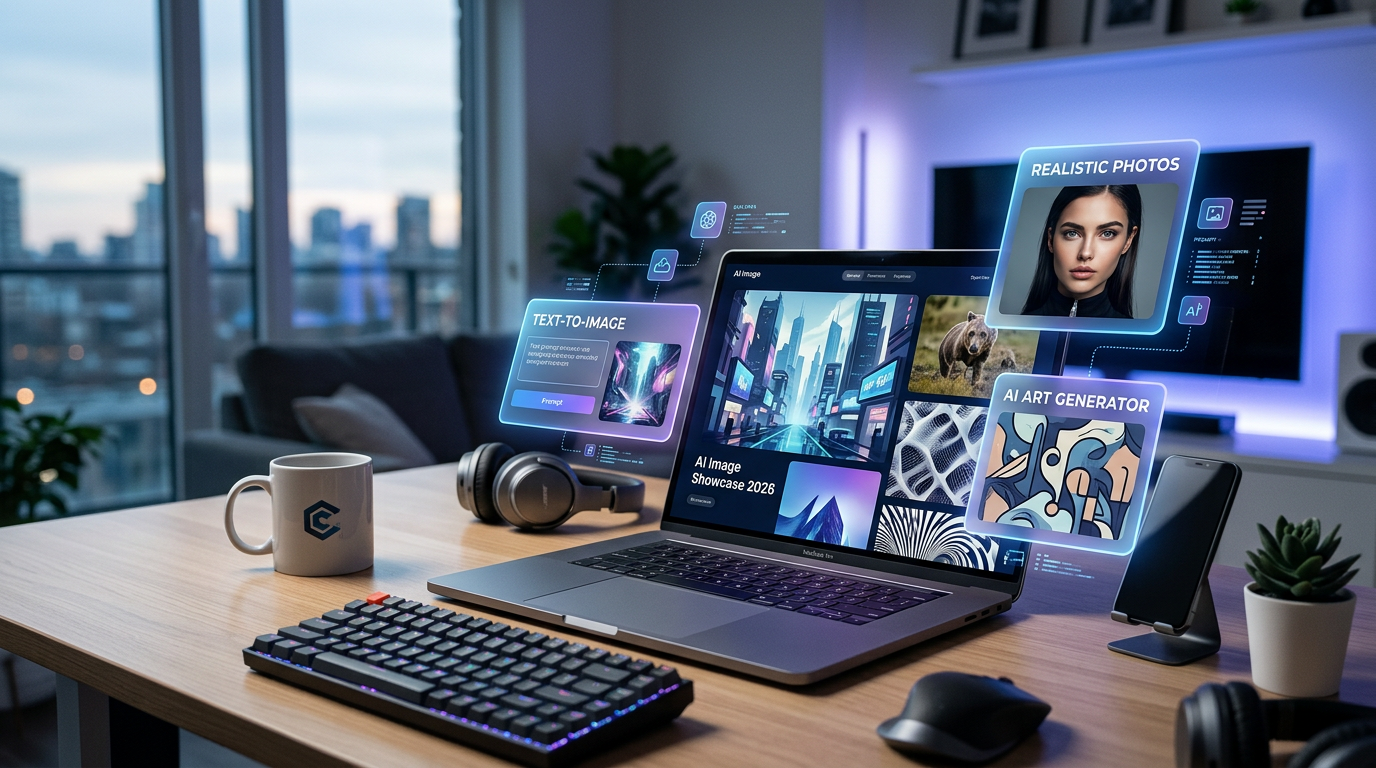
AI image generation is no longer a toy. In 2026, the best AI tools for image generation are used by marketers, designers, creators, and businesses to make realistic photos, concept art, product mockups, and social media visuals in minutes. The real reason this space is trending is simple: better models now understand prompts more accurately, generate higher-quality images, and fit into professional workflows more smoothly than before.
What AI Image Generation Means
AI image generation is the process of creating images from text prompts or reference images using machine learning models. A user types a prompt like “a cinematic cyberpunk city at night,” and the tool creates a visual based on that description. This is why text-to-image tools are exploding in popularity: they cut production time, reduce design costs, and make experimentation easy for non-designers and professionals alike.
The trend is also driven by better image quality and more specialised tools. Some tools are better for realistic photos, some for artistic output, some for commercial safety, and some for precise prompt adherence. That means the “best” tool depends on what you actually need, not on hype.
Top AI Tools in 2026
1. Midjourney
Midjourney is still one of the strongest choices for artistic, cinematic, and visually striking images. It is especially popular among designers, creators, and brands that want polished visuals with strong style and mood.
Features:
-
High-end artistic output with rich detail and dramatic lighting.
-
Strong for branding, concept art, and creative campaigns.
-
Good support for prompt variations and image refinement.
Pros:
-
Excellent image quality.
-
Great for stylised and premium-looking visuals.
-
Produces strong creative results fast.
Cons:
-
Less reliable for exact text inside images.
-
Can be harder to control for precision-focused work.
-
Not the best option if you need strict realism or technical accuracy.
2. DALL-E 3 / OpenAI image generation
DALL-E remains one of the easiest tools for beginners because it follows prompts well and turns plain instructions into clear visuals. In 2026, it is often praised for its prompt adherence and better image text rendering than many competitors.
Features:
-
Strong prompt understanding.
-
Better text rendering than most other image models.
-
Easy workflow inside the broader OpenAI ecosystem.
Pros:
-
Beginner-friendly.
-
Great for concept visuals and prompt accuracy.
-
Better choice for images that need readable text.
Cons:
-
Less artistic flair than Midjourney.
-
Sometimes the outputs look safer or less dramatic.
-
Not always the strongest option for ultra-realistic fashion or editorial imagery.
-
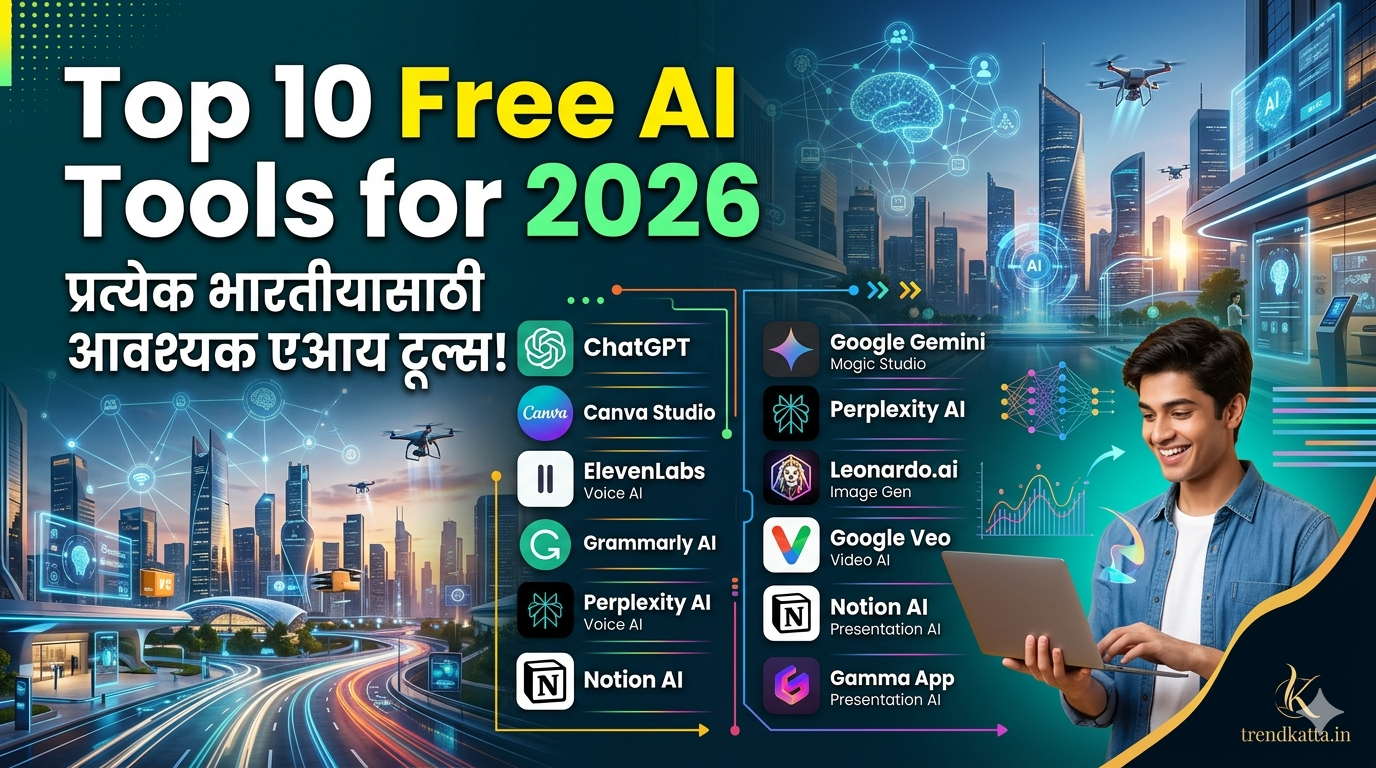
Top 10 AI Tools list 2026
3. Stable Diffusion
Stable Diffusion is the choice for users who want control, customisation, and flexibility. It can be run locally or through cloud tools, which makes it attractive for advanced users and teams that want more freedom.
Features:
-
Open ecosystem with extensive customisation.
-
Works well for batch generation and technical workflows.
-
Supports local use for more control over setup and output.
Pros:
-
Highly flexible.
-
Can be cost-effective for heavy users.
-
Strong community and model variety.
Cons:
-
Technical setup can be annoying.
-
Quality depends heavily on model choice and workflow.
-
Not ideal for beginners who want plug-and-play simplicity.
4. Adobe Firefly
Adobe Firefly is a strong option for business and commercial workflows because it is built around safety, editing, and Creative Cloud integration. It is especially useful when you need AI images that fit into Photoshop or other Adobe tools.
Features:
-
Deep integration with Photoshop and Creative Cloud.
-
Generative Fill and Generative Expand are highly practical for editing.
-
Designed with commercial workflow needs in mind.
Pros:
-
Best for editing existing visuals.
-
Safe choice for business use.
-
Smooth workflow for Adobe users.
Cons:
-
Less exciting and creative than Midjourney.
-
Not always the best for highly stylised art.
-
Can feel limited if you want maximum artistic freedom.
5. Flux
Flux is gaining attention for customisation, realism, and control. It is often positioned as a strong modern alternative for users who want detailed results and more reliable image generation.
Features:
-
Strong control over output style and quality.
-
Good for realistic and polished visuals.
-
Useful for creators who care about consistency.
Pros:
-
Strong balance of quality and control.
-
Good for detailed workflows.
-
Useful for advanced users.
Cons:
-
Not as famous or intuitive as Midjourney or DALL-E.
-
A learning curve may still exist depending on the platform.
-
Ecosystem and mainstream adoption are smaller than those of Adobe or OpenAI.
-
The Best AI Tools for Daily Office Work
6. Ideogram
Ideogram is especially useful when image text matters, which makes it a smart pick for posters, social graphics, and promotional visuals. It is not always the flashiest generator, but it solves a real problem many other tools handle poorly: readable text.
Features:
-
Better text generation for graphics and posters.
-
Good for branded content and design-heavy images.
-
Useful for quick marketing assets.
Pros:
-
Strong for typography inside images.
-
Good for social media and ad creatives.
-
Practical and easy to use.
Cons:
-
Not always the strongest for ultra-realistic photos.
-
Less versatile than general-purpose tools.
-
Artistic output may trail top-tier creative generators.
How to Choose
Choosing the right AI art generator is not about chasing the “best” name. It is about matching the tool to the job. If your goal is artistic impact, Midjourney is a strong choice. If you want prompt accuracy and ease of use, DALL-E is a smarter starting point.
Pick based on use case
-
Choose Midjourney for cinematic art, branding, and creative exploration.
-
Choose DALL-E for beginners, prompt clarity, and readable text.
-
Choose Stable Diffusion for customisation and technical control.
-
Choose Adobe Firefly for commercial workflows and Adobe integration.
-
Choose Ideogram for posters, ads, and text-heavy visuals.
-
Choose Flux if you want modern control and high-quality output.
Free vs paid AI tools
Free tools are fine for testing, but they usually come with limits in quality, speed, or usage volume. Paid tools usually win when you need consistent results, higher resolution, better editing, and commercial reliability. If you are serious, stop pretending the free tier is enough for professional work.
Prompt engineering matters
Even the best tool fails with a vague prompt. Good prompt engineering means describing subject, style, lighting, camera angle, mood, and resolution clearly. A weak prompt gives you generic output; a strong prompt gives you usable visuals.
Future of AI Art
The future of AI art is not just “better pictures.” It is faster iteration, stronger control, and more workflow integration. Expect improved realism, better text rendering, and more hybrid tools that combine generation, editing, and design in one place. The creators who win will not be the ones with the fanciest tool; they will be the ones who understand how to direct it.
Conclusion
The best AI tools for image generation in 2026 depend on your goal, not on marketing hype. Midjourney leads for artistic quality, DALL-E is strongest for ease and prompt accuracy, Stable Diffusion offers control, Adobe Firefly is best for commercial editing, and Ideogram solves text-heavy design needs. If you want one practical recommendation: start with DALL-E for simplicity, move to Midjourney for premium visuals, and use Firefly if your work lives inside Adobe.