Discover the new AI tool launched by Google, plus detailed reviews of Midjourney, DALL-E 3, Stable Diffusion, and Adobe Firefly for beginners and creators.
Introduction
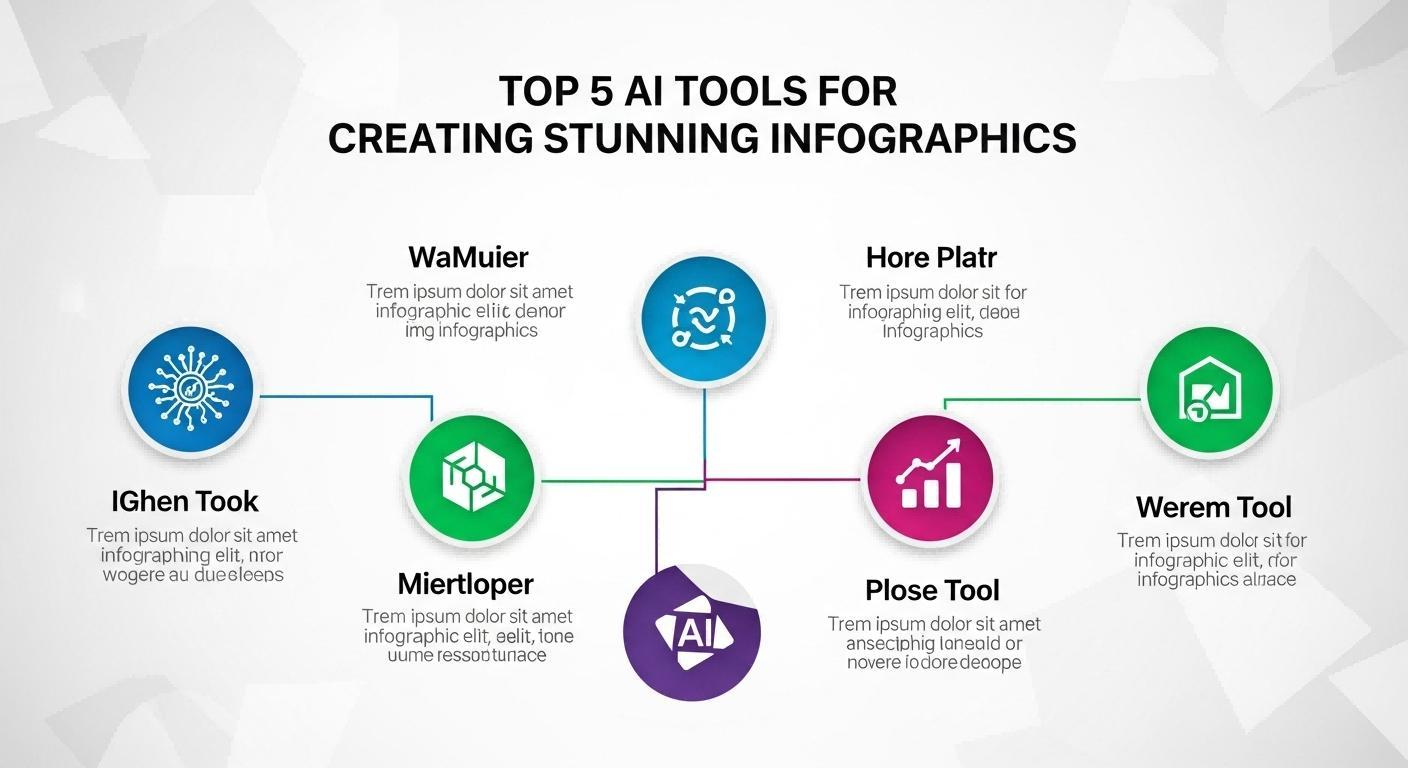
Google’s new AI tool launched by Google is part of its bigger push to make AI more useful across Search, Gemini, Docs, Maps, and Workspace. The key point is simple: Google is no longer treating AI as a side feature; it is turning AI into the main experience inside its products.
If you are looking at AI art tools specifically, the market is crowded and confusing. That is exactly why this article breaks down the major names people actually use, including Midjourney, DALL-E 3, Stable Diffusion, and Adobe Firefly, so you can choose the right one instead of guessing.
Top AI Tools
1. Google Gemini and Google AI features
Google’s latest AI updates centre on Gemini, with improvements across Search Live, Docs, Sheets, Slides, Drive, Maps, and app switching from other AI tools. Google is clearly trying to make Gemini a daily productivity layer, not just a chatbot.
Features
-
Context-aware responses across Google products.
-
Search Live for voice and camera-based help.
-
Workspace support in Docs, Sheets, Slides, and Drive.
-
Better integration with Maps and personal data.
Pros
-
Strong ecosystem integration.
-
Useful for work, research, and daily tasks.
-
Easy for existing Google users to adopt.
Cons
-
Not the best pure image art tool compared with dedicated generators.
-
Some features are still experimental or rollout-dependent.
2. Midjourney
Midjourney is still one of the most admired AI image generators for artistic, stylised visuals. It is popular because it produces images with a polished, cinematic look that many creators want for concepts, branding, and inspiration.
Features
-
High-quality image generation from text prompts.
-
Strong artistic style control.
-
Great for concept art and mood boards.
-
Works well when the prompt quality is good.
Pros
-
Excellent visual quality.
-
Strong aesthetic output.
-
Great for artists and marketers.
Cons
-
Less beginner-friendly than some competitors.
-
Not ideal if you want strict realism or easy editing control.
-
It can require experimentation to get the result you want.
- best marketing tool
3. DALL-E 3
DALL-E 3 is known for turning prompts into clear, detailed images with a strong understanding of prompts. It is a practical choice for people who want the AI to follow instructions more closely without endless prompt tuning.
Features
-
Strong natural-language prompt following.
-
Good for illustrations, marketing visuals, and creative concepts.
-
Easy workflow for non-technical users.
Pros
-
Beginner-friendly.
-
Good alignment with written prompts.
-
Useful for fast content creation.
Cons
-
Less artistic depth than Midjourney in many cases.
-
Can feel constrained if you want highly customised styles.
-
Output variety may be narrower for advanced creators.
New AI Tool Launched by Google
4. Stable Diffusion
Stable Diffusion is one of the most flexible AI image models because it supports deep customisation and local or platform-based workflows. It is favoured by users who want control over resolution, style tuning, and advanced prompt workflows.
Features
-
Open and highly customizable.
-
Can be used with many third-party interfaces.
-
Good for advanced workflows and fine control.
Pros
-
Flexible and powerful.
-
Strong community support.
-
Good for technical users who like tweaking settings.
Cons
-
Harder for beginners.
-
Quality depends heavily on setup and model choice.
-
More technical effort than managed tools.
5. Adobe Firefly
Adobe Firefly is designed for creators who already work in design software and want AI inside a professional creative workflow. Its biggest advantage is that it fits naturally into Adobe’s ecosystem, which matters if you care about editing, branding, and production speed.
Features
-
Integrated with Adobe tools.
-
Designed for commercial creative workflows.
-
Helpful for design, branding, and content production.
Pros
-
Strong for professional designers.
-
Easy to combine with editing tools.
-
More workflow-friendly than many standalone generators.
Cons
-
Less experimental than some other tools.
-
May not produce the most dramatic artistic outputs.
-
Best value depends on whether you already use Adobe.
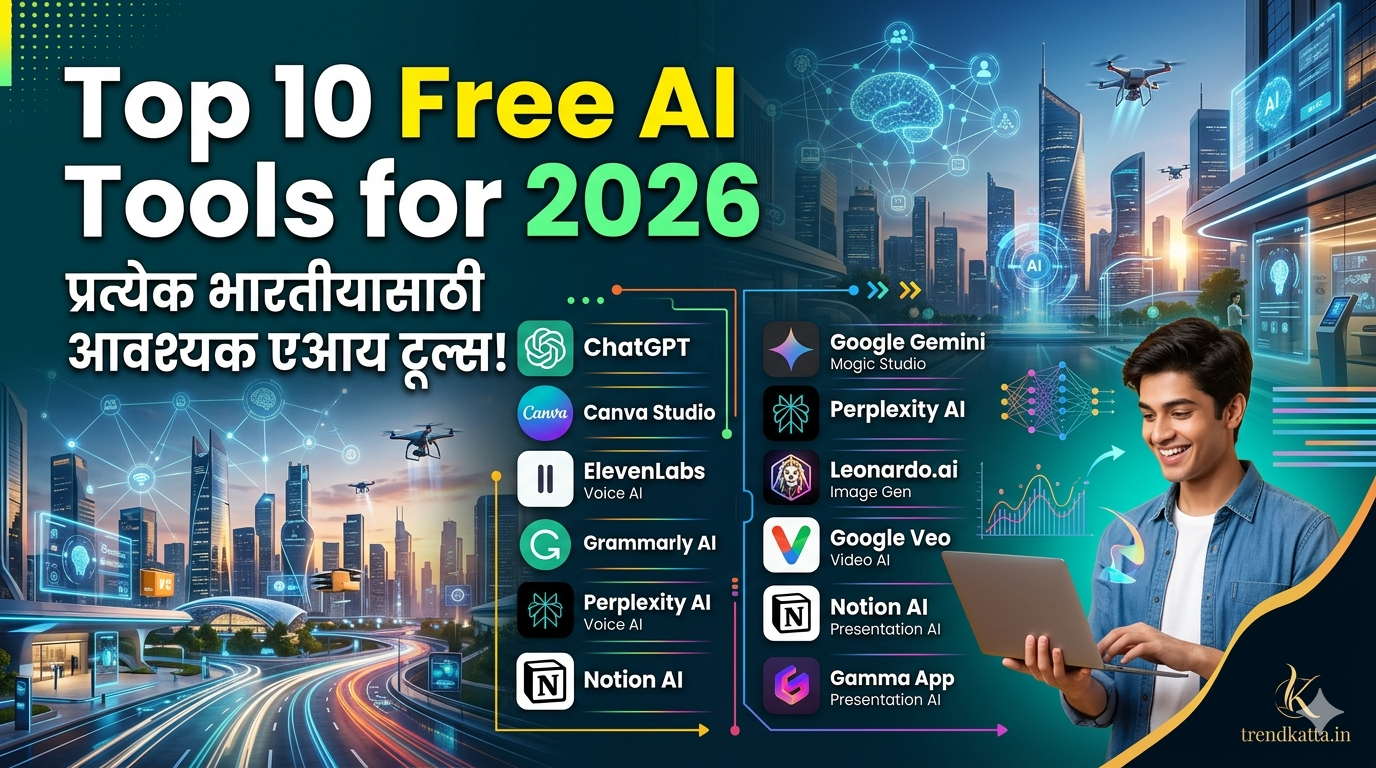
- Top 10 free AI tool list
6. NotebookLM
NotebookLM is not an image generator, but it is one of Google’s more practical AI tools for research, writing, and organising information. If your goal is content strategy or article drafting, it can help you build structure before you create visuals.
Features
-
Research-focused AI support.
-
Useful for summarising and organising documents.
-
Built for productivity, not art generation.
Pros
-
Strong for research-heavy workflows.
-
Helpful for writers and students.
-
Good companion tool for content planning.
Cons
-
Not for image generation.
-
Not the right tool if your only goal is AI art.
How to Choose
If you are a beginner, do not start by chasing the “best” tool. Start by asking what kind of output you actually need: artistic images, realistic visuals, business graphics, or workflow integration. That question matters more than hype.
Use this simple rule:
-
Choose Midjourney if you want the most artistic and polished image style.
-
Choose DALL-E 3 if you want easier prompt handling and straightforward use.
-
Choose Stable Diffusion if you want control and customisation.
-
Choose Adobe Firefly if you already work inside Adobe and need production-friendly outputs.
-
Choose Google Gemini if your work depends more on research, writing, and productivity than image art.
A smart beginner also checks the User Interface, learning curve, pricing, and export quality before committing. A tool that looks impressive in demos can still be useless if it slows down your workflow. That is the mistake people keep making.
Future of AI Art
The future of AI art is moving toward tighter integration, better prompt accuracy, and stronger multimodal workflows. Google’s latest AI push shows where the market is heading: one assistant that can understand context, help with work, and connect across apps instead of living in a separate tab.
Expect more tools to blend image generation, text generation, editing, and planning in one place. The winners will not just create pretty images; they will save time, reduce friction, and fit naturally into real creative work. That is the standard now.
Conclusion
The new AI tool launched by Google is important because it signals a bigger shift: AI is becoming built into everyday workflows, not treated as a novelty. If your focus is AI art, Midjourney and DALL-E 3 are great for most creators, Stable Diffusion is best for control, and Adobe Firefly is strong for design professionals.
For most beginners, the best move is to start with the tool that matches your real use case, not the one with the loudest marketing. If you want the smartest long-term choice, pick based on workflow, not hype. That is how you avoid wasting time